


Buenos Aires Archbishop Urges Milei to Prioritize the Poorest
The archbishop called for a refounding of the social and political bond between Argentinians and warned that, if a model is chosen where only a few benefit, the social fabric will be destroyed and society will move towards confrontation.
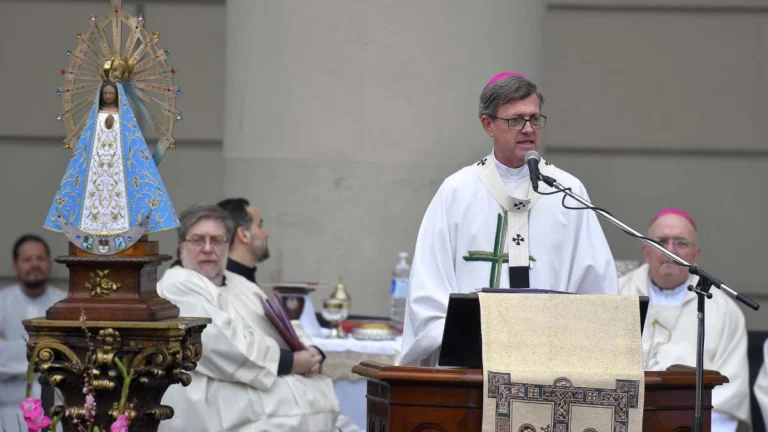
Archbishop Jorge García Cuerva advocated for the poorest during the Te Deum celebration at the Buenos Aires Cathedral. Photo EFE
May 26, 2026 Hour: 1:04 pm
🔗 Comparte este artículo
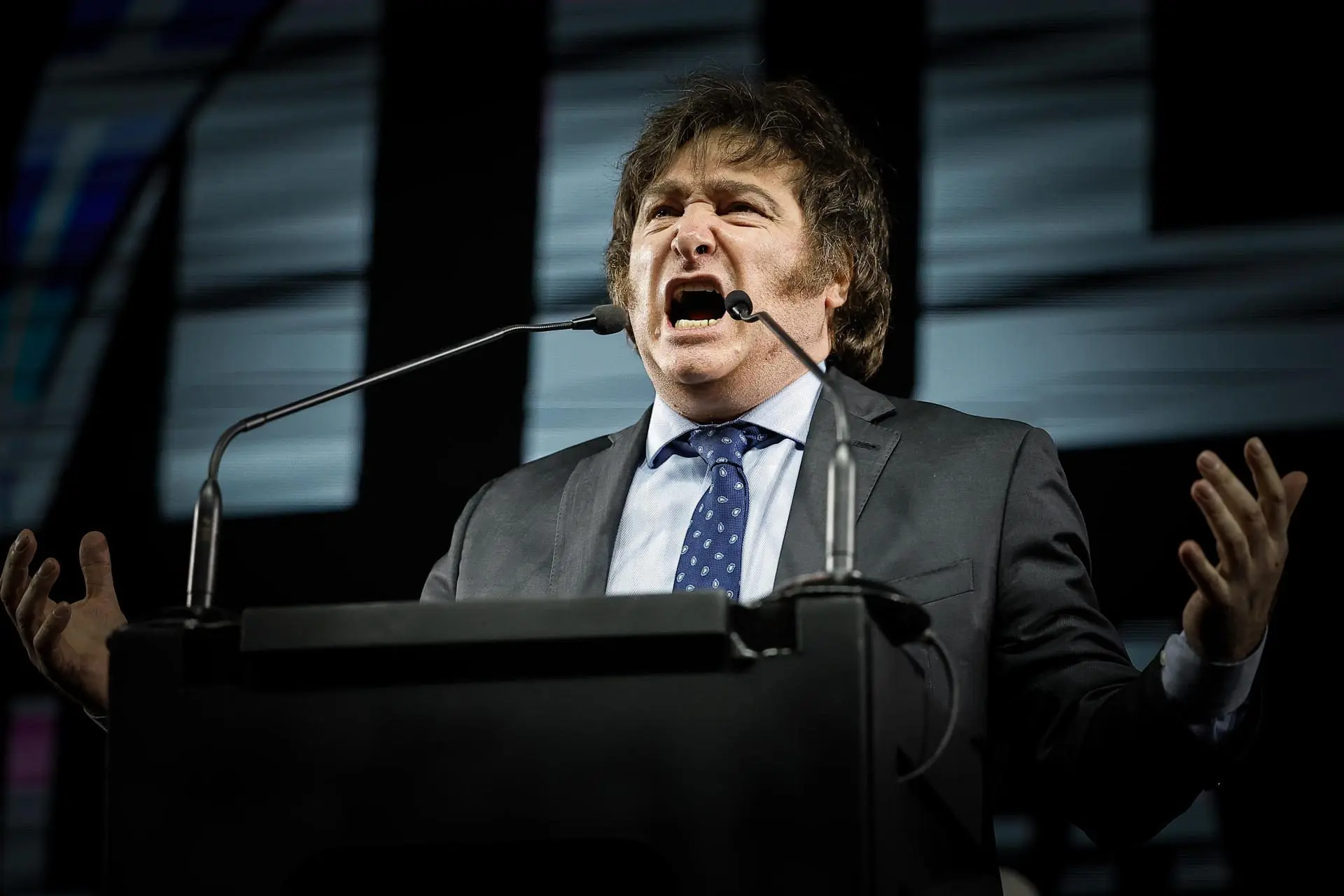
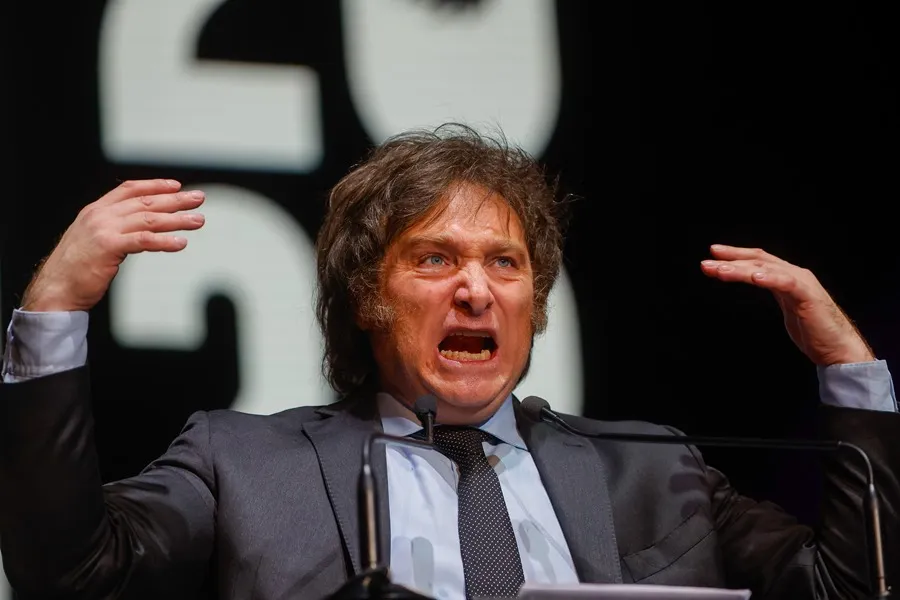
On Monday, Archbishop Jorge García Cuerva urged Argentine President Javier Milei to ensure that political leaders commit to the poorest citizens, who are paralyzed by unemployment and can no longer endure the ongoing economic crisis.
RELATED:
Death Flights Argentina: 3 Shocking Life Sentences Expose Dictatorship Horror
“We are living in complex times, and that is why it is necessary to be united and committed to the poorest,” García Cuerva stated to Milei, who has been implementing a severe economic adjustment program since taking office in late 2023.
The archbishop called for a refounding of the social and political bond among Argentinians and warned that if an economic model is adopted where only a few benefit, the social fabric will be destroyed and society will move toward confrontation.
“Today, many of our brothers and sisters are experiencing paralysis in their hopes, their opportunities, their dignity. For years, these sectors have felt prostrate, cast aside on the sidelines of life’s path, and they no longer have the strength to go on, they cannot uphold their long-neglected rights,” the cleric stated.
The text reads, “INCOME WORSENING. Household consumption continued to decline in April, accumulating a drop of almost 20% since 2023”
Social Paralysis and Collective Responsibility
García Cuerva maintained that no one is disposable or expendable, and emphasized the importance of protecting vulnerable groups such as the elderly, children, the sick, people with disabilities, adolescents and young adults affected by drugs, and informal and precarious workers.
In a context where a large part of Argentine households report difficulties covering basic expenses and accessing formal employment, the archbishop asked for awareness of the enormous responsibility to help heal so many personal, familial, and also social paralyses.
“We cannot afford to be naive: the shadow of a cloud of social disintegration looms on the horizon,” the prelate warned, while pointing out that various interests are at play. departure, oblivious to everyone’s needs.
Faced with deep political divisions, even within Milei’s government, García Cuerva called for a leadership class that, with the strength of the people, is willing to engage in dialogue, encounter, and reconciliation, acting in favor of those who have lost the will to go on and suffer the paralysis of unemployment, lack of education, and lack of opportunities.
The archbishop promoted dialogue by listening to everyone, respecting others, speaking cordially, and seeking consensus in diversity, as well as building social friendship.
“Enough of inciting division and polarization,” he demanded, while denouncing the actions of haters who, from their devices, practice social media terrorism, discrediting and defaming.
García Cuerva asked for solidarity and empathy with those who remain downtrodden and described ostentation, waste, and extravagance as cruel and scandalous.
These statements were made during the traditional Te Deum of Thanksgiving held annually at the Buenos Aires Cathedral to commemorate the patriotic revolution of May 25, 1810, a historic event that paved the way for Argentine independence, declared in 1816.
The text reads, “Milei’s face when the Archbishop says that we must help those who have less. Hahaha poor guy, he just wanted to be crying at the Wailing Wall.”
Milei Persists in Ignoring People’s Demands
Following the religious ceremony, Milei and his Cabinet moved to the Buenos Aires Cabildo for the singing of the National Anthem, on the site where the first national government was formed.
This event takes place at a complex time for Milei’s administration: recent polls by private consulting firms show an increase in his negative image and in the level of disapproval of his performance.
This situation is linked to corruption scandals, the president’s attacks on journalists and opponents through social media, and the decline in household purchasing power.
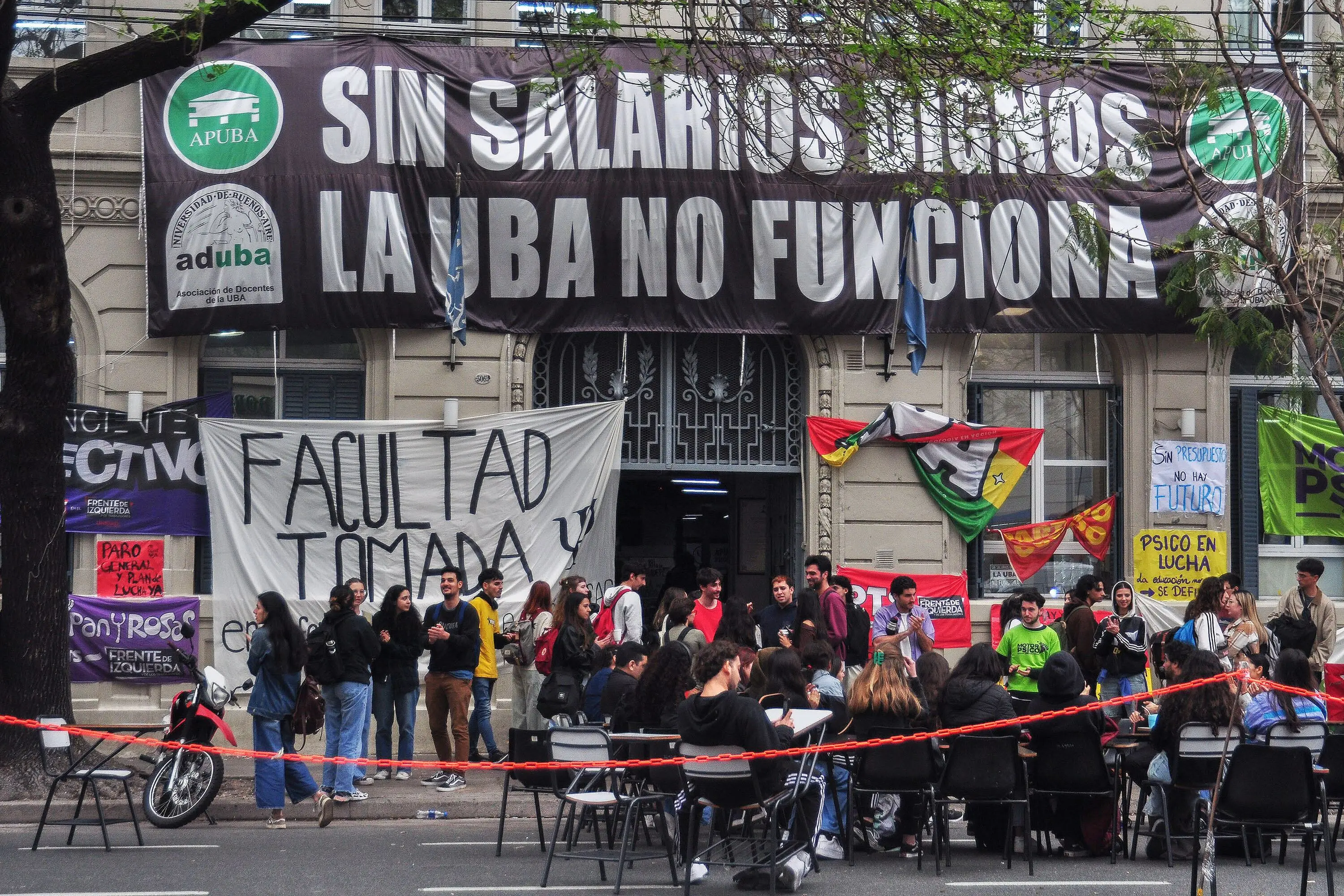
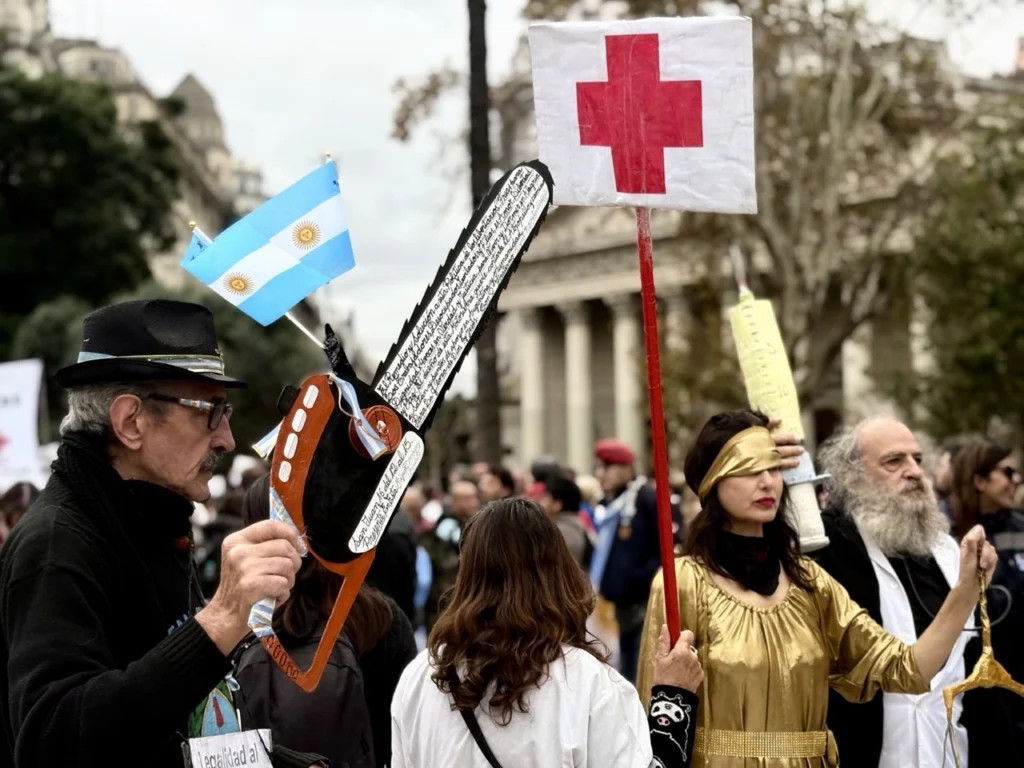
Inflation and cuts in sensitive areas such as health, education, and disability services are impacting family incomes, deepening the conditions the archbishop described as social paralysis.
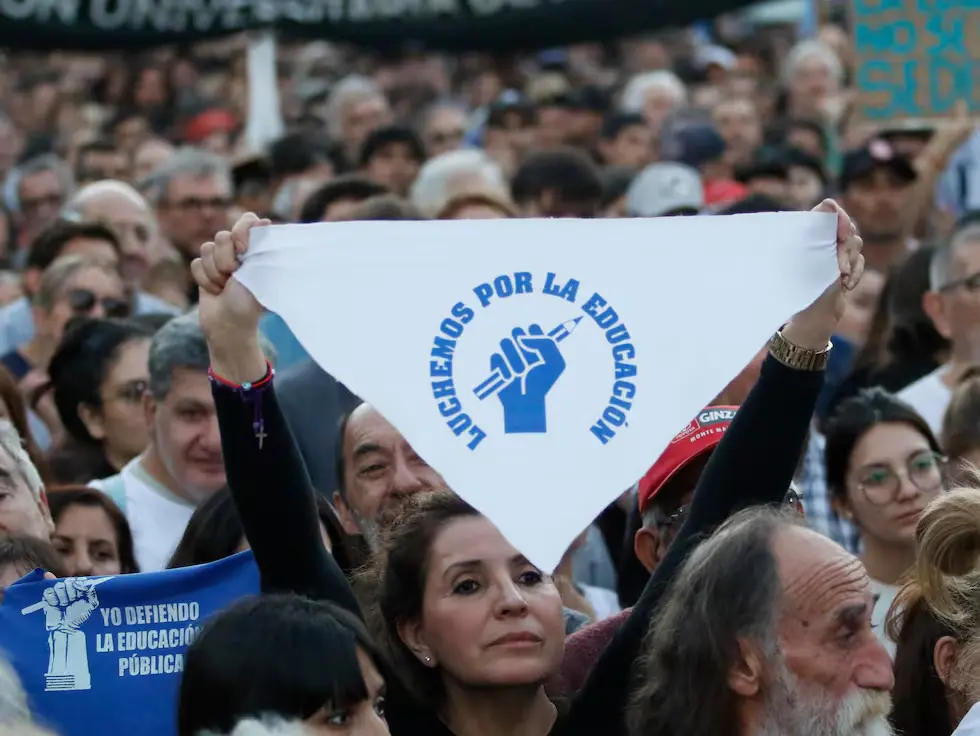
García Cuerva’s intervention, which calls for dialogue and the protection of vulnerable sectors, reflects a concern shared by social organizations and political actors regarding the advance of austerity measures.
Within this context, the reconstruction of social bonds and the guarantee of basic rights are emerging as central themes of public debate in Argentina.